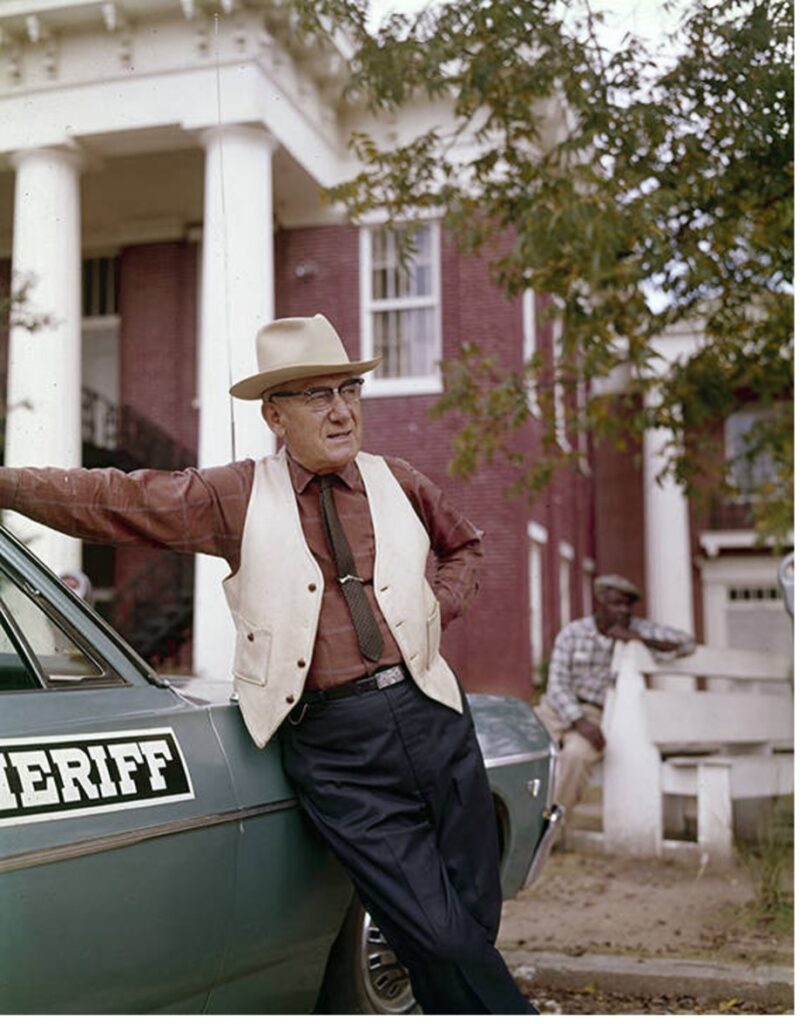
He tried to prevent Black residents from gathering to organize for civil rights and voter registration.
In the Deep South, Black churches were far more than places of worship. They served as meeting halls, schools, community centers, and safe spaces where local people could plan voter registration drives, hear civil rights leaders speak, and prepare for peaceful protests. By shutting down the church, local authorities were trying to cripple the movement itself.
The closure came just weeks before the passage of the Voting Rights Act of 1965, during a period when many Alabama counties used intimidation, arrests, economic retaliation, and violence to keep Black citizens from registering to vote. In Wilcox County, despite being a majority of the population, Black residents had been almost entirely excluded from the ballot through discriminatory practices and fear.
Rather than stopping the movement, the padlocking of Antioch Baptist Church drew national attention to the lengths segregationist officials would go to suppress constitutional rights. The incident became another powerful example of why federal protection of voting rights was urgently needed. Just over a month later, the Voting Rights Act became law, outlawing many of the barriers that had denied millions of Black Americans the right to vote.
The chains placed on one church became a symbol of a much larger struggle: whether local officials could use government power to silence citizens demanding equal rights—or whether democracy would finally be extended to everyone.